

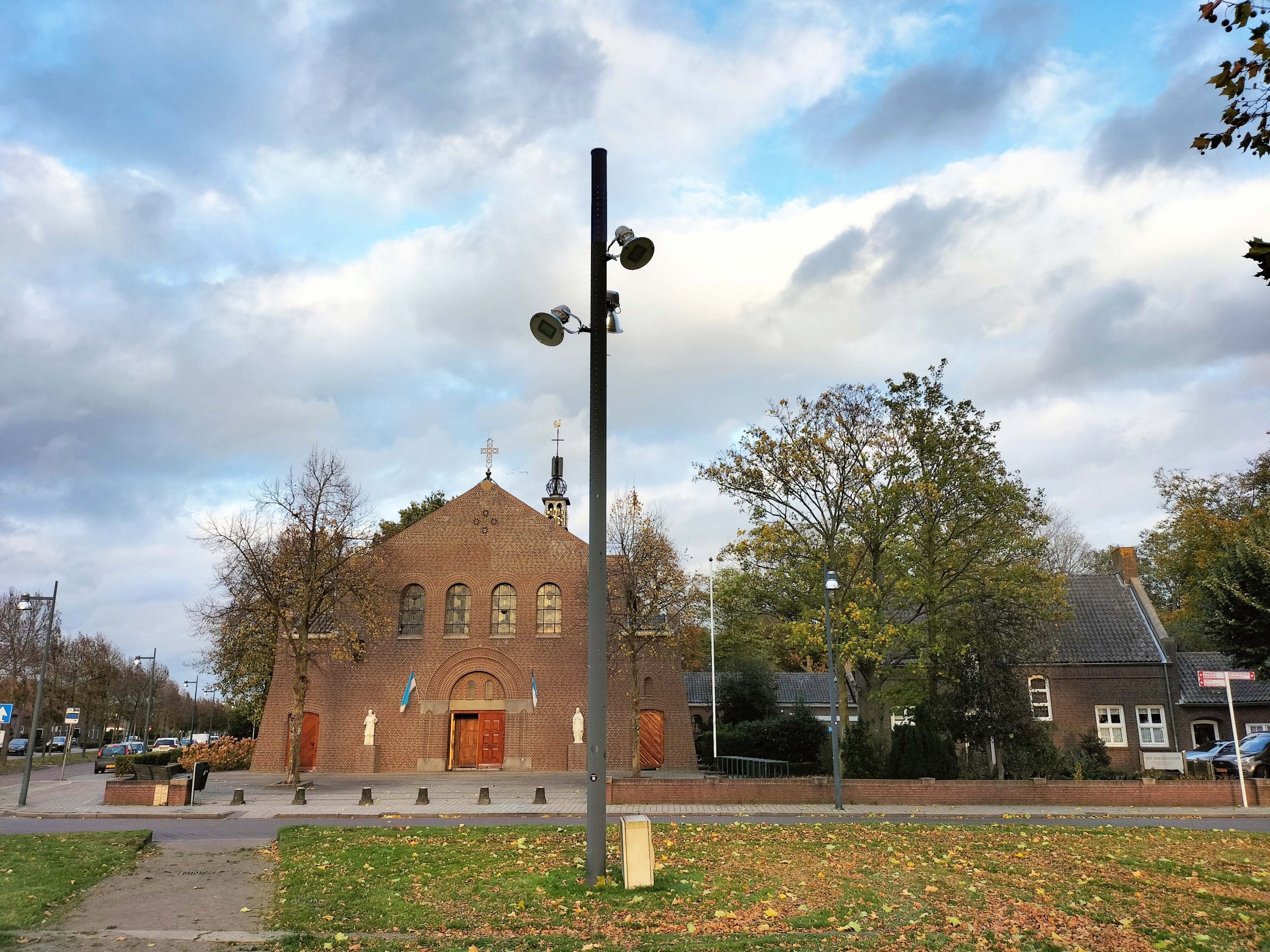
‘s-Hertogenbosch, colloquially known as Den Bosch, which literally means “the duke’s forest”, is a city with an interesting history located in the south of the Netherlands.
Officially declared a city in 1184, it is one of the oldest medieval cities in the Netherlands, known for its commercial past and its strategic location next to the Aa and Dommel rivers.
PROTECTED URBAN LANDSCAPE
After World War II, plans were made to modernise the old town, modify and remove some of the city walls and redevelop historic districts. However, before these plans could be carried out, the central government declared the city a protected urban landscape. Thanks to this declaration, most of its historic elements have been preserved.
An example of this is the first great wall built to protect the city in 1255, of which some remains can still be seen today.
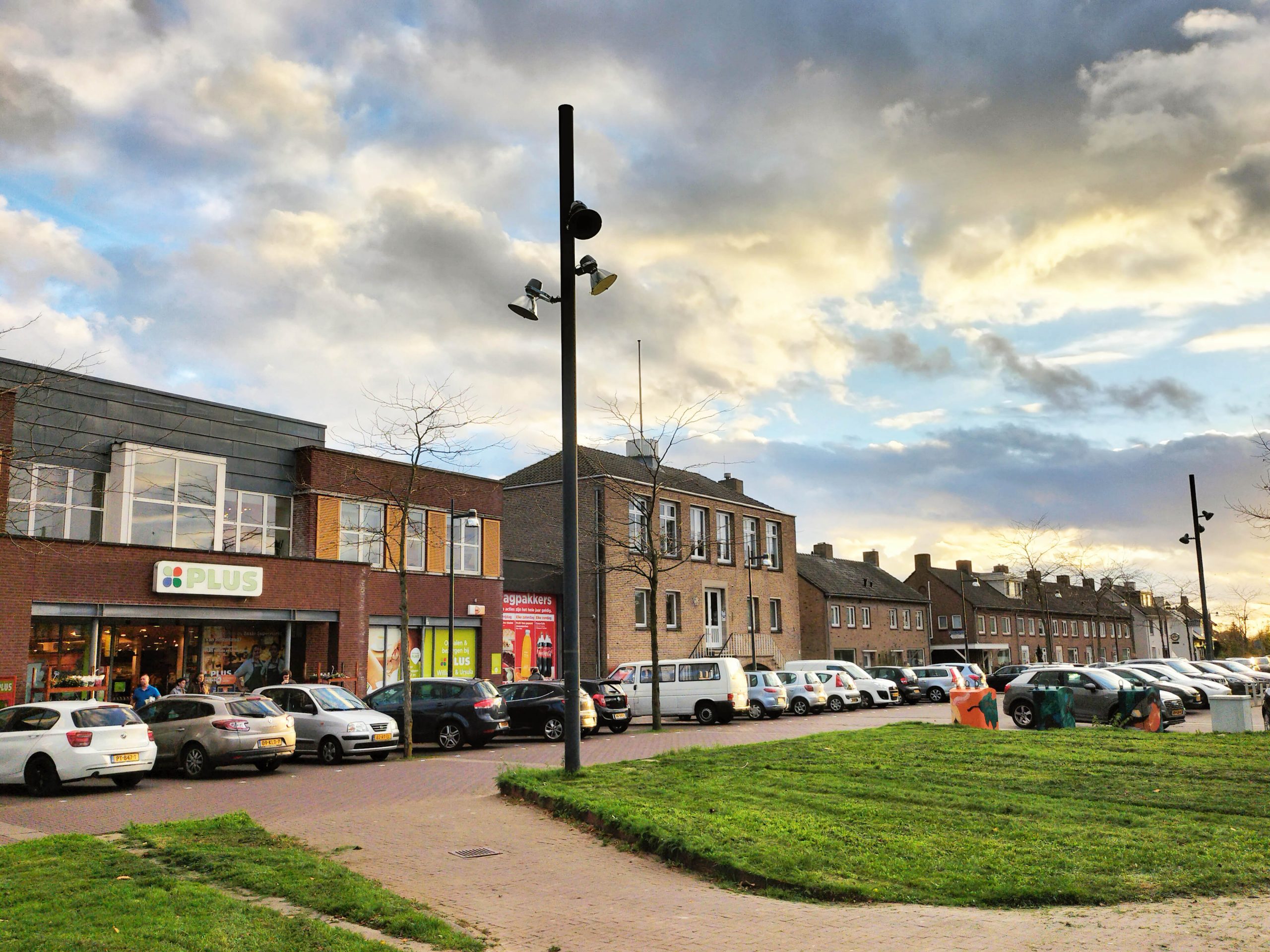
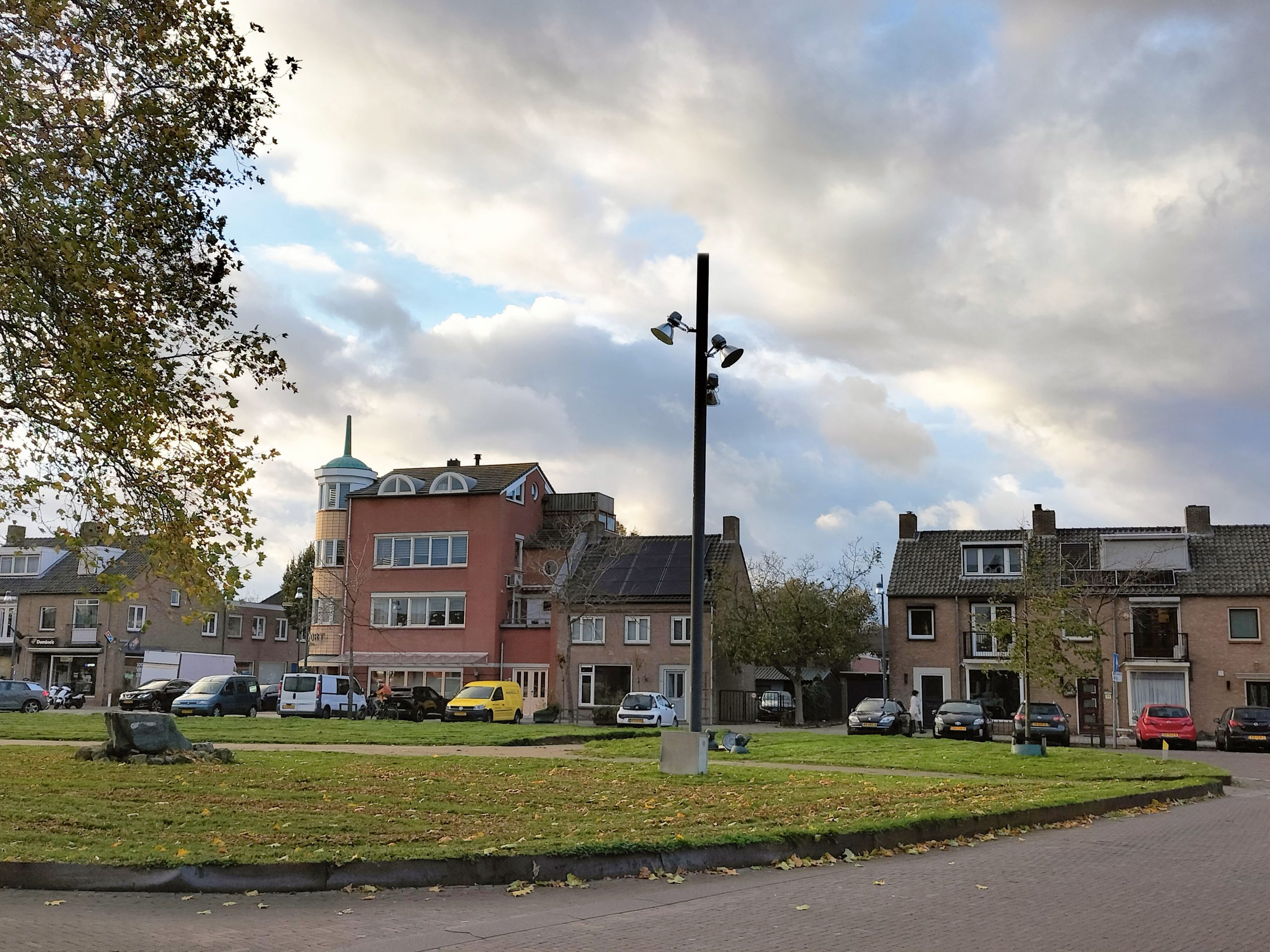
BRINK SQUARE, EMPEL
Over the years, Den Bosch has gone from being surrounded by walls to being surrounded by residential neighbourhoods. One of them is Empel, a former village that, due to the demographic expansion of ‘s-Hertogenbosch, has become a suburb of the city.
THE IMPORTANCE OF COLOUR TEMPERATURE FOR PEOPLE’S WELL-BEING
Empel needed to renew all the original discharge luminaires installed in Brink square which is one of the main squares of the city. In collaboration with installer Hoeflake Infratechniek, Carandini designed a project with TANGO LED luminaires.
With a vintage design and high efficiency, TANGO is a luminaire designed for urban environments. It is certified as “Night Friendly”, so its installation guarantees a reduction in light pollution and protects the night skies.
The chosen colour temperature was 2700K, a warm temperature that respects the circadian rhythm of both people and animals.
Thanks to the use of a warm colour temperature and the integration of a special “Sandblasted” glass, Empel now enjoys a more environmentally friendly and visually comforting lighting experience.
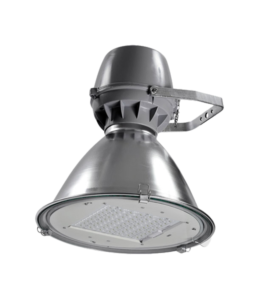
TANGO
Thanks to its functional design and the different versions and accessories that it has, has been perfectly integrated into facades, monuments, roundabouts, intersections and outdoor areas.